Shaikh of the Present Era
Hazrat ul Alaam Maulana Allah Yar Khan(RA)
(1904–1984)
ؒحضرت العلام مولانا اللہ یار خان
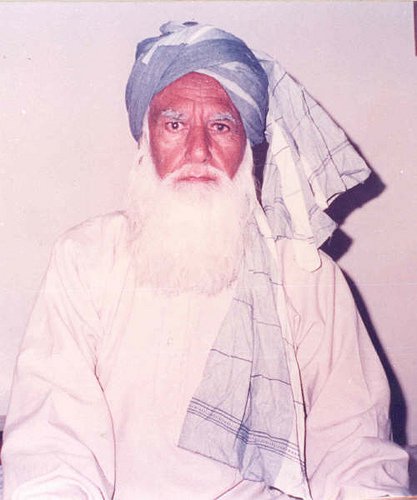
آپ ؒ کی پیدائش 1904ء میں اپنے آبائی گاؤں چکڑالہ ضلع میانوالی میں ہوئی۔ آپ ؒ نے اپنی ابتدائی تعلیم ضلع سرگودھا میں حاصل کی اور دورہ حدیث مدرسہ امینیہ دہلی میں زیر ِ
سرپرستی مفتی کفایت اللہ ؒ مکمل کیا۔
1962ء میں آپ ؒ نے سالکین کی تربیت بطریق نسبت ِ اُویسیہ شروع فرمائی۔ اِس وقت آپ ؒ کے تربیت یافتہ سالکین دُنیا کے کونے کونے میں موجود ہیں اور طالبان ِ حق کی روحانی بالیدگی میں مصروف ہیں۔ آپ ؒ نے مذاہب ِ باطلہ کے رد میں سال ہا سال کارہائے نمایاں انجام دیئے، باطل فرقوں کو بے نقاب کرنے میں اپنی تحریر و تقریر کا بے دریغ استعمال فرمایا حتیٰ کہ عبداللہ چکڑالوی کے باطل مذہب کی بیخ کنی بھی آپ ؒ ہی کے حصے میں آئی۔
تصوف کے موضوع پر قلم اُٹھایا تو دلائل ِسلوک، حیات ِ برزخیہ،حیات النبی اور اسرار الحرمین جیسے گوہر ہائے نایاب سالکین کے ہاتھ آئے۔ یہی مشاغل دم ِ واپسیں تک آپ ؒ کی حیات ِ مبارکہ کا جزو لاینفک رہے، حتیٰ کہ18فروری 1984ء تقریبا ً 80سال کی عمر میں دارالفناء سے دارالبقاء کی طرف روانہ ہوئے اور تصوف و سلوک کا یہ بحر بیکراں اپنے جملہ کمالات کے ساتھ ظاہری نظر سے اُوجھل ہو کر اپنی آخری آرام گاہ موضع مرشد آباد چکڑالہ ضلع میانوالی میں موجزن ہوا۔
انا للہ و انا الیہ راجعون
Islamic Scholar, Spiritual Guide, and Reviver of the Naqshbandia Owaisia Order
Hazrat Maulana Allah Yar Khan (R.A.) was a respected Islamic scholar, Sufi master, and spiritual guide who devoted his life to the service of Islam and the revival of the Naqshbandia Owaisia Order. Through his teachings, writings, and spiritual guidance, he helped introduce countless people to the practice of Zikr and the divine path of Islamic Tasawwuf.
Born in 1904 in Chakrala, a village in the Mianwali District of Punjab, then part of British India, he belonged to a local landowning family. From an early age, his life was shaped by the pursuit of religious knowledge, a commitment that would eventually lead him to become one of the prominent spiritual figures of his era.
Religious Education and Spiritual Journey
Maulana Allah Yar Khan (R.A.) pursued an extensive education in Islamic sciences, completing his formal religious studies in the mid-1930s. Around this period, he met Sheikh Abdul Rahim, who introduced him to the shrine of Hazrat Sheikh Allah Deen Madni (R.A.), a Sufi saint of the 10th century Hijri (16th century CE).
This meeting marked a defining moment in his spiritual journey.
According to the Naqshbandia Owaisia tradition, Allah Almighty blessed him with a direct spiritual connection to Hazrat Sheikh Allah Deen Madni (R.A.). Through this connection, he began receiving Faiz, or spiritual blessings, without having physically met the saint during his lifetime. This form of spiritual transmission is a central feature of the Owaisia order.
His spiritual education continued for approximately twenty-five years. During this time, he devoted himself to Zikr, inner purification, and advancement through the various spiritual stages of Tasawwuf. These years of sustained discipline and learning prepared him for the responsibility of guiding others to the obedience of Shariah & this spiritual order.
In 1962, he began a new chapter of his life when he was directed to spread the Prophetic blessings and train seekers along the spiritual path. He accepted this responsibility wholeheartedly and remained committed to it for the rest of his life.
Teaching, Preaching, and Spiritual Guidance
Maulana Allah Yar Khan (R.A.) believed that genuine spiritual development required sincerity, remembrance of Allah, and obedience to the Shariah. His mission was to help people strengthen their relationship with Allah while remaining firmly grounded in the teachings of the Holy Quran and Sunnah.
To support religious education, he established Madrasa Alia Dar-ul-Tabligh in his hometown of Chakrala. The institution became part of his broader efforts to teach Islamic knowledge, promote religious understanding, and prepare students to serve their communities.
He devoted much of his life to preaching Islam. His lectures and religious activities addressed questions of faith, Islamic practice, and the doctrinal disagreements of his time. He was also known for his strong opposition to the teachings of the Ahmadiyya and Chikralvi movements, which he challenged through sermons and religious discussions.
His influence, however, extended well beyond formal religious teachings.
People traveled to seek his guidance and participate in spiritual training. Within the Naqshbandia Owaisia tradition, it is believed that those who approached him with sincerity received spiritual blessings according to their individual capacity and devotion.
He trained both men and women in the practices of Zikr Allah and Islamic Tasawwuf. Many of his students went on to become spiritual guides themselves, carrying his teachings to different regions and communities.
His followers also recount extraordinary spiritual experiences associated with his guidance. Among these is Ruhani Bai’at (روحانی بیعت), the Spiritual Oath of Allegiance received directly at the blessed soul of the Holy Prophet Muhammad ﷺ. Within the Owaisia tradition, this is regarded as one of the highest spiritual honors, and accounts from his followers describe numerous seekers receiving this blessing through the spiritual training he established.
Scholarly Contributions and Writings
Alongside his responsibilities as a spiritual guide, Maulana Allah Yar Khan (R.A.) was a dedicated writer. He authored eighteen books addressing Islamic beliefs, Tasawwuf, spiritual growth and matters of religious understanding.
His writings sought to explain complex spiritual subjects while keeping them connected to the Quran, Sunnah, and established Islamic scholarship.
Among his most notable works are:
1.Dalael-us-Sulook (دلائل السلوک): Sufism: An Objective Appraisal, an examination of the principles and practices of Islamic Tasawwuf.
2.Hayat-e-Barzakhiah (حیاتِ برزخیہ): Life Between Death and Resurrection, exploring the nature of existence in Barzakh.
3.Hayat-un-Nabi (حیات النبی ﷺ): The Prophet’s Life in Barzakh, discussing the blessed life of the Holy Prophet Muhammad ﷺ beyond his earthly existence.
4.Israr-ul-Haramain (اسرار الحرمین): Secrets of the Two Holy Mosques, addressing spiritual matters associated with the sacred cities of Makkah and Madinah.
These books remain an important part of his scholarly legacy and continue to be studied by those interested in Islamic spirituality and the teachings of the Naqshbandia Owaisia Order.
Revival of the Naqshbandia Owaisia Order
One of Maulana Allah Yar Khan’s (R.A.) most significant contributions was his role in reviving and spreading the Naqshbandia Owaisia Order.
As the center of his teachings was Zikr-e Khafi Qalbi, the silent remembrance of Allah within the heart, he emphasized the importance of spiritual purification and disciplined remembrance as means of strengthening one’s faith and developing a closer relationship with Allah.
Under his guidance, the Order reached a wider community of seekers. His students continued to preach its practices, helping establish a lasting network of spiritual learning that extended beyond Pakistan.
To his followers, he was more than a religious teacher. He was a Murshid, a spiritual guide whose purpose was to help others advance in their relationship with Allah. They remember him for his deep spiritual knowledge, his dedication to teaching, and the blessings they believe were transmitted through his guidance.
Passing and Lasting Legacy
Hazrat Maulana Malik Allah Yar Khan (R.A.) passed away on 18 February 1984, in Islamabad, Pakistan, at the age of eighty. He was laid to rest in his ancestral village of Chakrala, near Ban Hafiz Jee in District Mianwali.
His passing marked the end of a remarkable life devoted to Islamic scholarship, spiritual guidance, and religious service. Yet the work to which he had dedicated himself continued through his students, his writings, and the many individuals who benefited from his teachings.
His central aim was to nurture sincere Muslims whose lives reflected a genuine love for Allah, obedience to the Holy Prophet Muhammad ﷺ, and commitment to the Shariah. He wanted his students not only to benefit from spiritual guidance themselves, but also to help others follow the same path.
Today, Hazrat Maulana Allah Yar Khan (R.A.) is remembered by his followers as a distinguished Sufi master and a reviver of the Naqshbandia Owaisia Order.
His enduring contribution lies in the people he guided, the knowledge he shared, and the spiritual tradition he worked throughout his life to preserve and pass on to future generations.